المواصفات الرئيسية
Product form
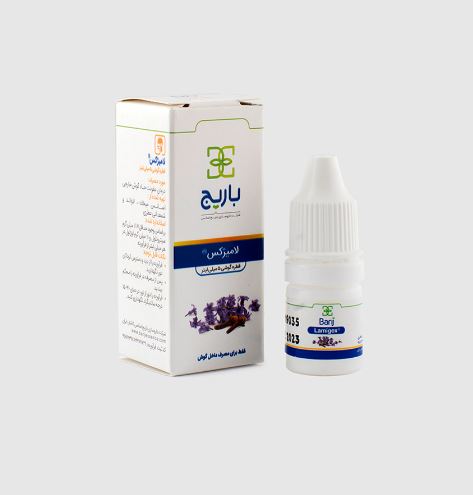
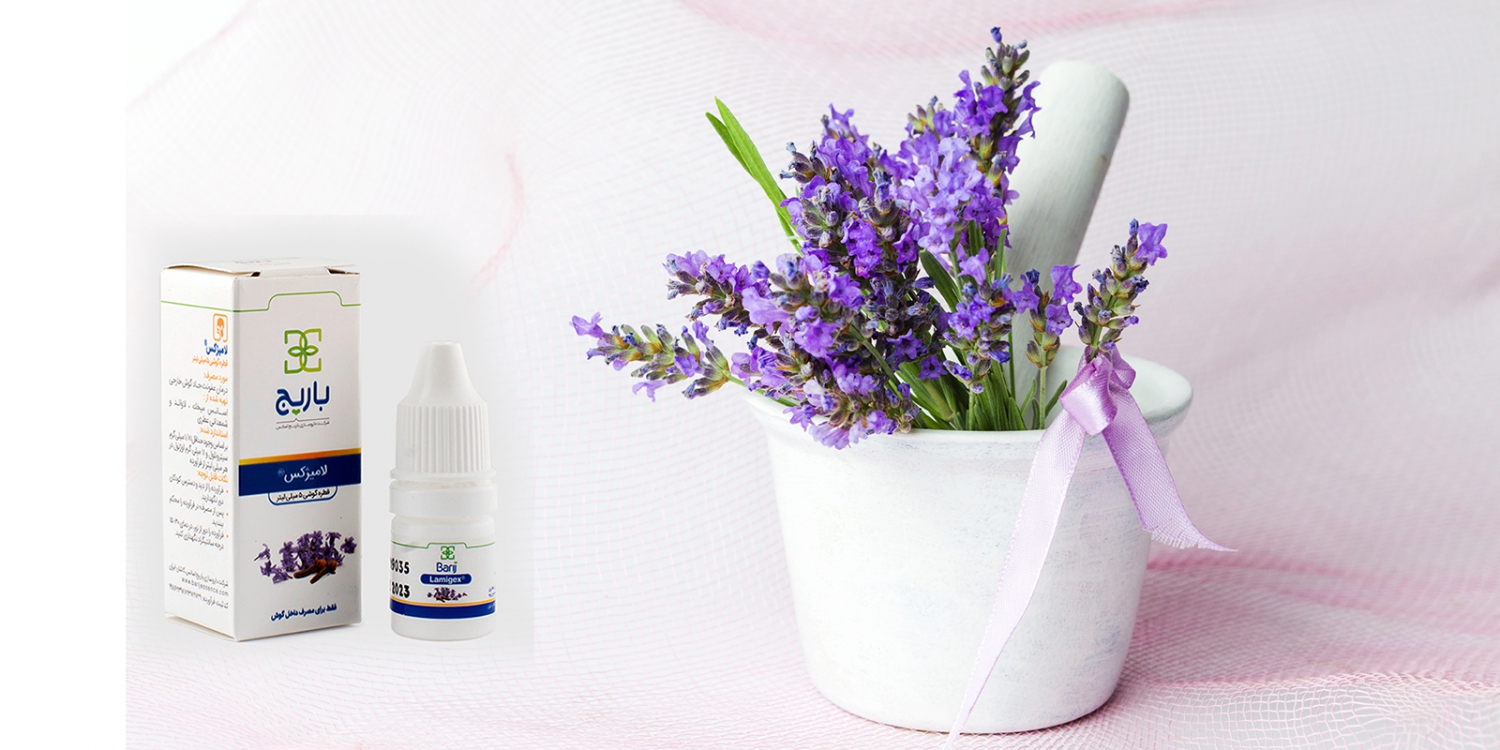
5 ml drops with dropper in cardboard box with brochure
Standardized based on the presence of at least 1.81 mg citronellol and 11 mg eugenol per ml of product
Product ingredients
Clove essential oil (Eugenia caryophyllata)
Lavender (Lavandulastoechas)
Pelargonium roseum
Active ingredients: Eugenol, citronellol, 1,8-cineole
Possible side effects
Do not use if the eardrum is perforated
Headaches have been reported in some people.
The product is not recommended for use during pregnancy and lactation.
How to use
Before use, clean and dry the external ear canal thoroughly. Instill 3 drops into the ear every 12 hours. After using the drops, lie down for 5 minutes with the affected ear facing up.
The minimum duration of treatment is one week.
(All medications should be taken as prescribed by a doctor)
Acute external ear infection (Swimmer’s ear or Tropical ear) is a diffuse inflammation of the external ear canal that may also involve the auricle or tympanic membrane. AOE is one of the most common infections encountered by physicians. The annual incidence of AOE in the general population is between 1:100 and 1:250, and the lifetime incidence is up to 10%.
The diagnosis of disseminated AOE is established by the rapid onset (usually within 48 hours) within the past 3 weeks, accompanied by symptoms of inflammation of the ear canal such as often severe ear pain, itching or a feeling of fullness in the ear with or without hearing loss or jaw pain, and signs of inflammation of the ear canal such as tenderness of the tragus, earlobe, or both, diffuse edema of the ear canal, erythema or both with or without discharge from the ear, regional lymphadenitis, erythema of the tympanic membrane, or cellulitis of the earlobe and adjacent skin. Hallmark symptoms of disseminated AOE; Tenderness of the auricle, auricle, or both is often severe and disproportionate to the clinical picture. Diagnosis is based on clinical presentation alone, although in refractory cases, microbial evidence is also examined. Common pathogens in AOE include Pseudomonas aeruginosa (50%), Staphylococcus aureus (23%), anaerobic and gram-negative organisms (12.5%), and fungi (12.5%).
The inhibitory effects of essential oils of clove, lavender, and geranium on isolated strains of Pseudomonas aeruginosa have been investigated. The major constituents of these essential oils were eugenol (0-80%), 1-8-cineole (13%), and citronellol (45%), respectively. Clove essential oil was the most effective essential oil against Pseudomonas aeruginosa, and the combination of these essential oils at a ratio of 3:1:1 showed the highest inhibitory effect (32-64 μg/ml) and a strong synergistic effect with gentamicin.