key specifications
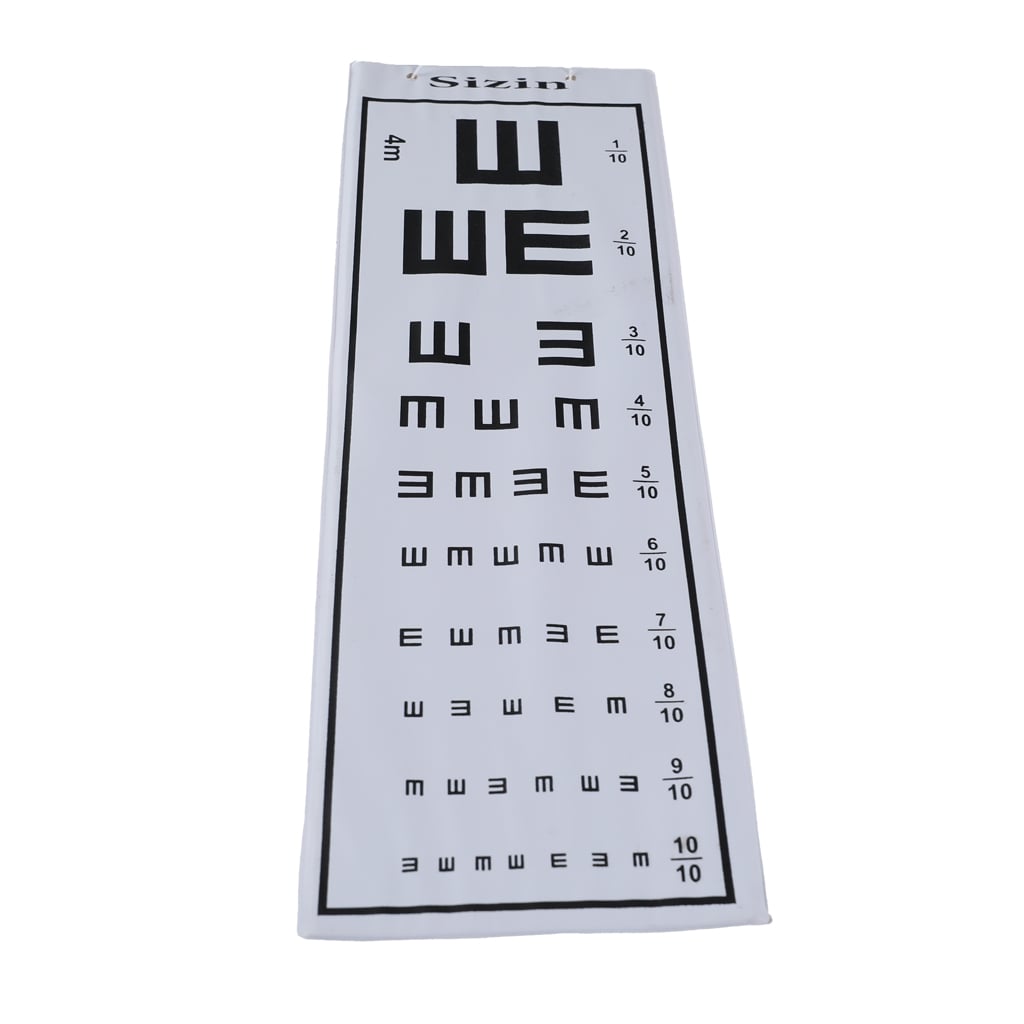
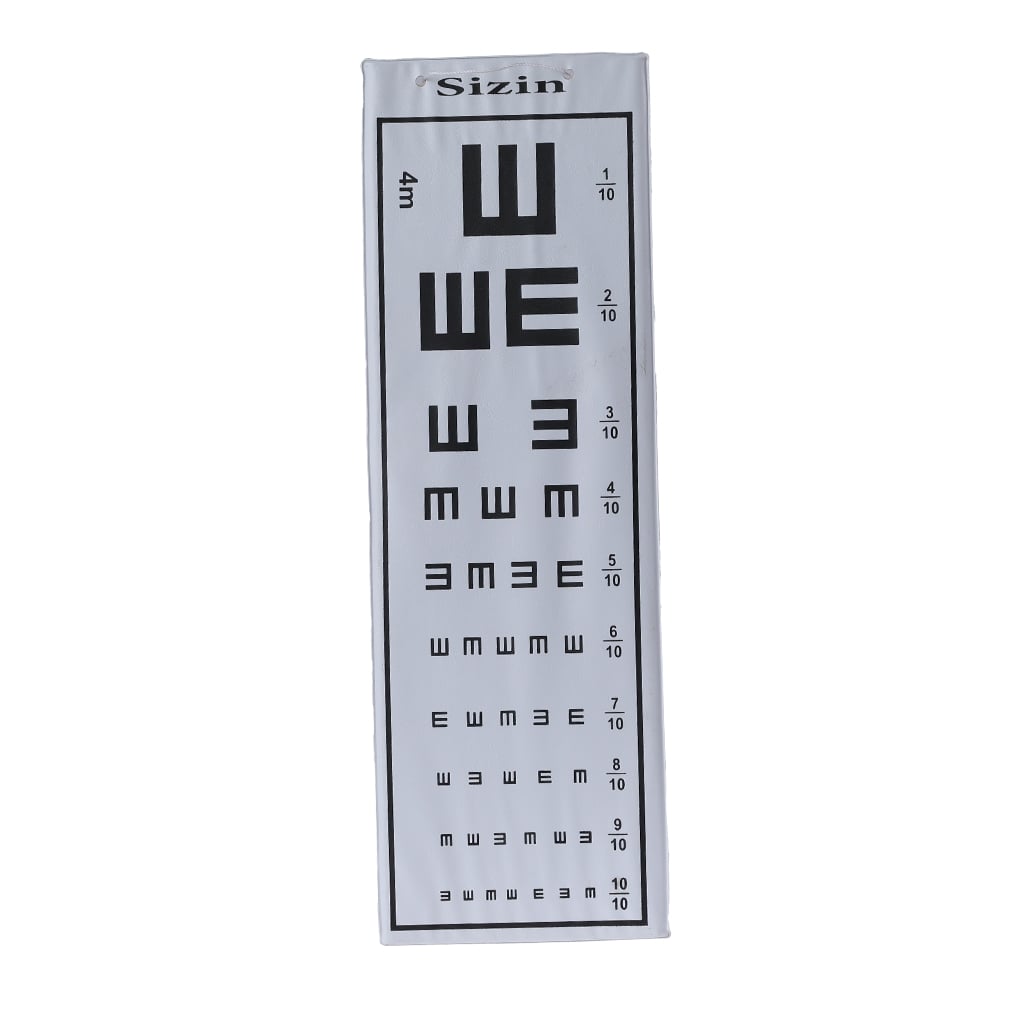
The Eye Chart is a tool used to measure and evaluate an individual’s visual acuity. These charts typically consist of a series of letters, numbers, or symbols displayed in varying sizes on a panel. The primary application of the Eye Chart is to determine the clarity of a person’s vision. By using this chart, it is possible to assess how well an individual can discern details at different distances.
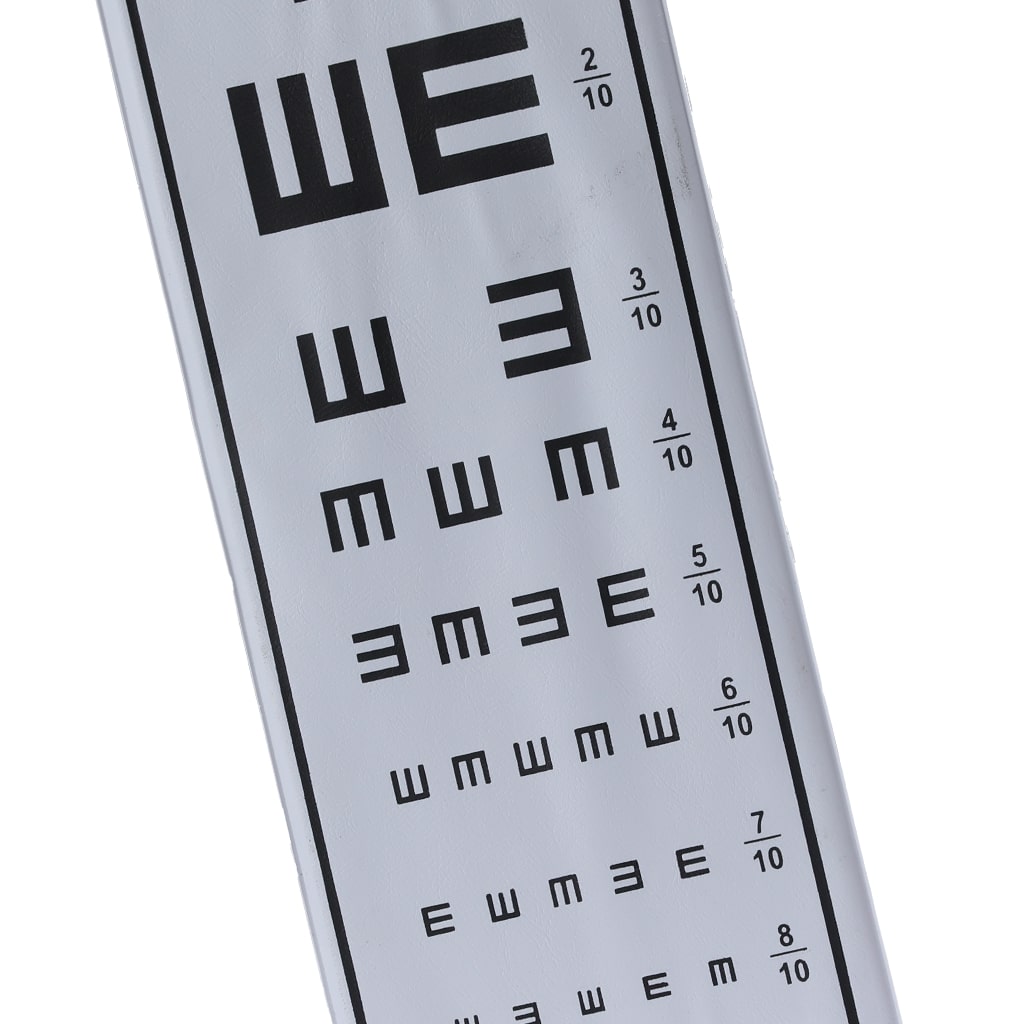
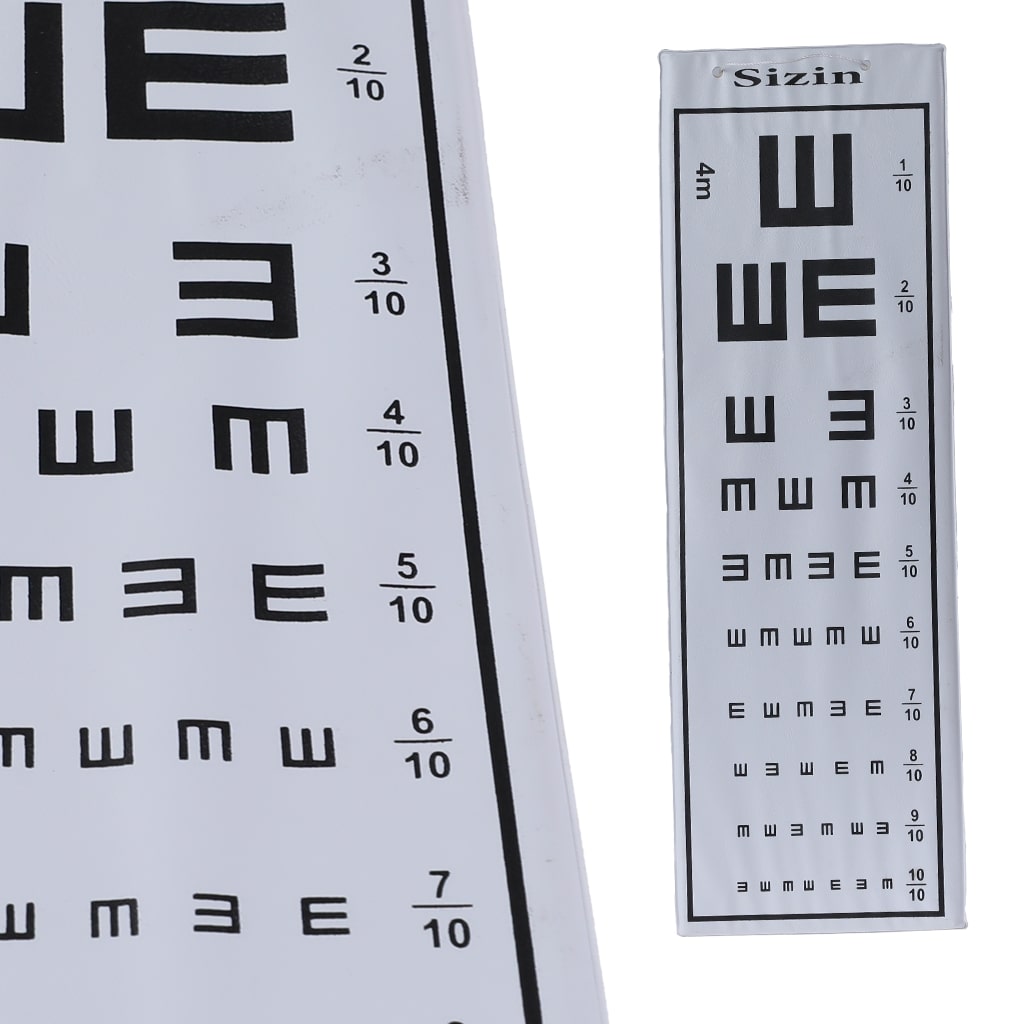
The Eye Chart can assist in diagnosing refractive errors such as myopia (nearsightedness), hyperopia (farsightedness), astigmatism, and other visual impairments. It is also suitable for individuals who are unable to read letters, such as children or those with limited literacy. In this version of the Eye Chart, the letter “E” is displayed in various orientations, and the individual indicates its direction using hand gestures. The results obtained from the Eye Chart test help ophthalmologists or optometrists determine the appropriate prescription for glasses or contact lenses.
Unique Features and Benefits of the Product:
Made from high-quality and durable materials
Easy to use, requiring no complex training
Results from the SIZIN Eye Chart (which uses the E chart format) are comparable to those obtained from the Snellen chart
Applications of the Product:
In summary, the Eye Chart is an efficient and versatile tool for assessing visual acuity in various individuals, particularly those with limitations in reading or verbal communication.
Standardized measurement of visual acuity
Suitable for individuals with low literacy, illiteracy, or children
Appropriate for individuals with cognitive or language disabilities
Key Features:
Made of high-quality, durable materials and easy to use
Does not require complex training