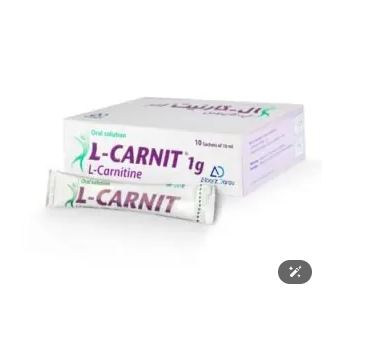
key specifications
Uses:
L-Carnitine is made from the amino acids lysine and methionine and releases energy from fatty acids.
This substance transports fatty acids into the mitochondria. Carnitine is made in muscle tissue and liver, and it is thought to play a role in carbohydrate metabolism and fatty acid oxidation during heavy exercise, improving cellular function.
This supplement should be used under the supervision of a doctor in cases of L-Carnitine deficiency, in cases of deficiency in dialysis patients, as a sports supplement, etc.
Depending on your response to treatment, your doctor may prescribe a higher or lower dose.
Avoid taking more than your doctor recommends.
The dosage of the drug is determined by the doctor, but the usual dosage of this drug is as follows:
- Dosage in adults:
According to the opinion of a specialist, 500 mg (5 cc) to 3 grams daily (in divided doses two to three times a day)
It is recommended to improve tolerance to the side effects of the drug, starting with a dose of one gram per day (divided two to three times a day) after meals and increasing slowly as needed.
- Dosage in children:
50 to 100 mg/kg per day (in divided doses) after meals
Maximum daily dose: 3000 mg
- Dosage in the elderly: Same as the adult dose.
- Dosage in renal failure: No dose adjustment is required. Use with caution, long-term use of oral L-carnitine may lead to the accumulation of toxic metabolites in patients with kidney problems.
- Dosage in hepatic failure: No dose adjustment is required.