key specifications
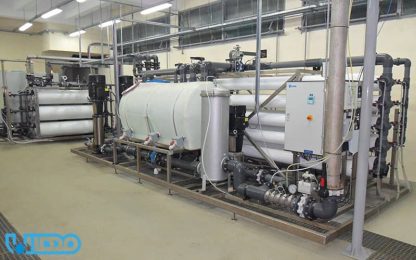
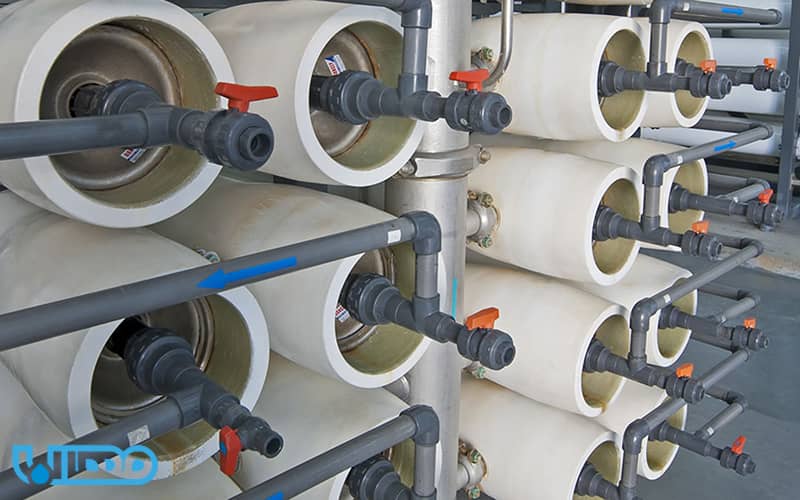
Membranes are divided into two categories: marine filters and brackish filters. Marine filter membranes are used to purify and desalinize seawater, and brackish filter membranes are used to purify well water and municipal water. Each of the two types has different sizes and types.
What is membrane filtration?
The membrane filtration process is a physical separation method characterized by the ability to separate molecules of different sizes and properties. Its driving force is the pressure difference between the two sides of a specific membrane. Membrane technology enables you to reduce overall production costs while increasing product quality.
The pores of such membrane materials are so small that they are measured in angstroms (10-10 meters), and pressure is required to force a liquid through them. In fact, the pores of the membranes used for nanofiltration and reverse osmosis are so small that they cannot even be seen with a scanning electron microscope.
How does membrane filtration work?
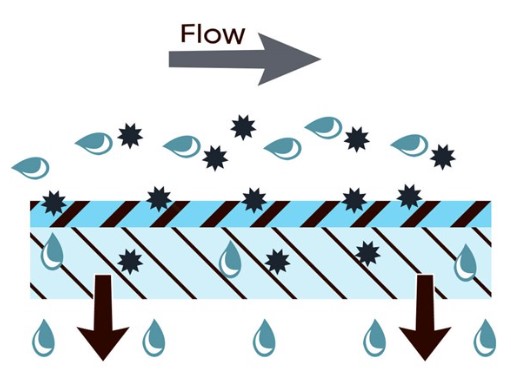
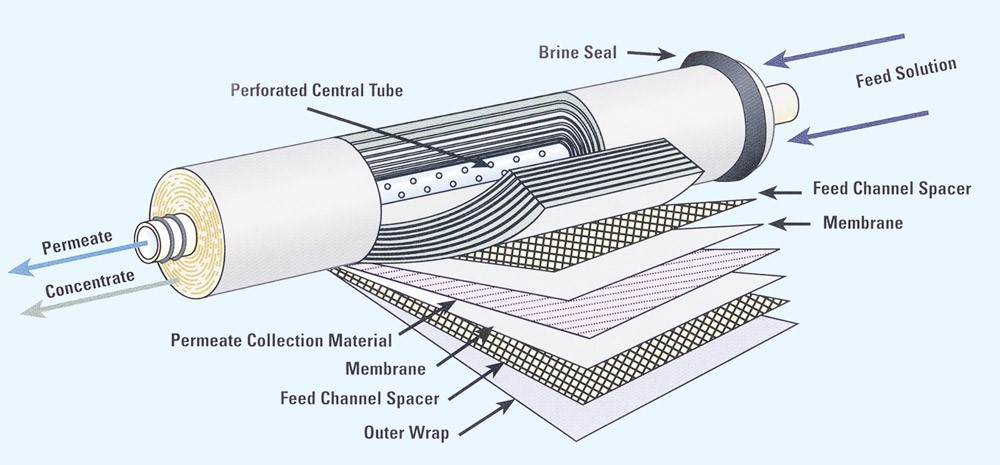
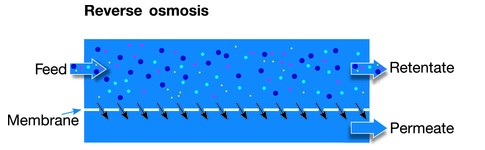
Membrane filtration is a simple technique for improving the quality of a variety of liquids. A feed stream passes through a membrane. A feed pump applies pressure and divides this feed stream into two streams: permeate and retentate. The permeate consists of the filtered liquid that can pass through the surface of the semipermeable membrane.
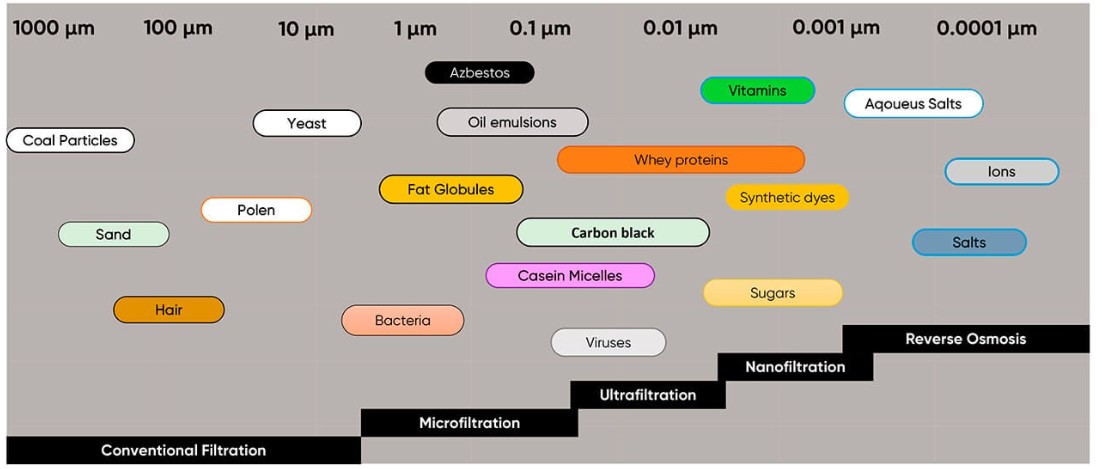
It is the pore size structure of the membrane that determines the size of the particles that are retained. Membranes can be made with different pore sizes. The smaller the pore size, the smaller the particles that can be retained. This enables filtration processes for a wide variety of liquids and gases. The pore size of a membrane is measured in microns. A micron is equal to one millionth of a meter. This very fine measurement of the pore size structure is crucial to determining what types of particles the membrane can reject. While a human hair is approximately 50 microns, bacteria can be as small as 1-10 microns. Therefore, the micron rating is essential to determining the type of particles a filter can handle. It also determines which filtration applications and industries a membrane is useful for.
Membrane Filtration
Types of Membrane Filtration (Membrane)
There are four common types of membrane filtration. These are defined based on the size of the materials to be separated from the feed liquid. The four types of membrane filtration are known in order of increasing pore size as reverse osmosis, nanofiltration, ultrafiltration, and microfiltration.