key specifications
Improving nutritional value by releasing nutrients
Enhancing energy supply
Reducing the effects of anti-nutritional compounds
In most poultry diets, the three most expensive nutrients are energy, protein, and phosphorus. Recently, producers have shown a tendency to reduce costs by using cheaper plant-based sources such as grains (barley, wheat, rye, and triticale).
Due to their high starch content (47 to 69 percent on a dry matter basis), cereal grains are considered a major component of livestock and poultry feed. Additionally, depending on the type, grains can provide 25 to 40 percent of the crude protein required in broiler diets.
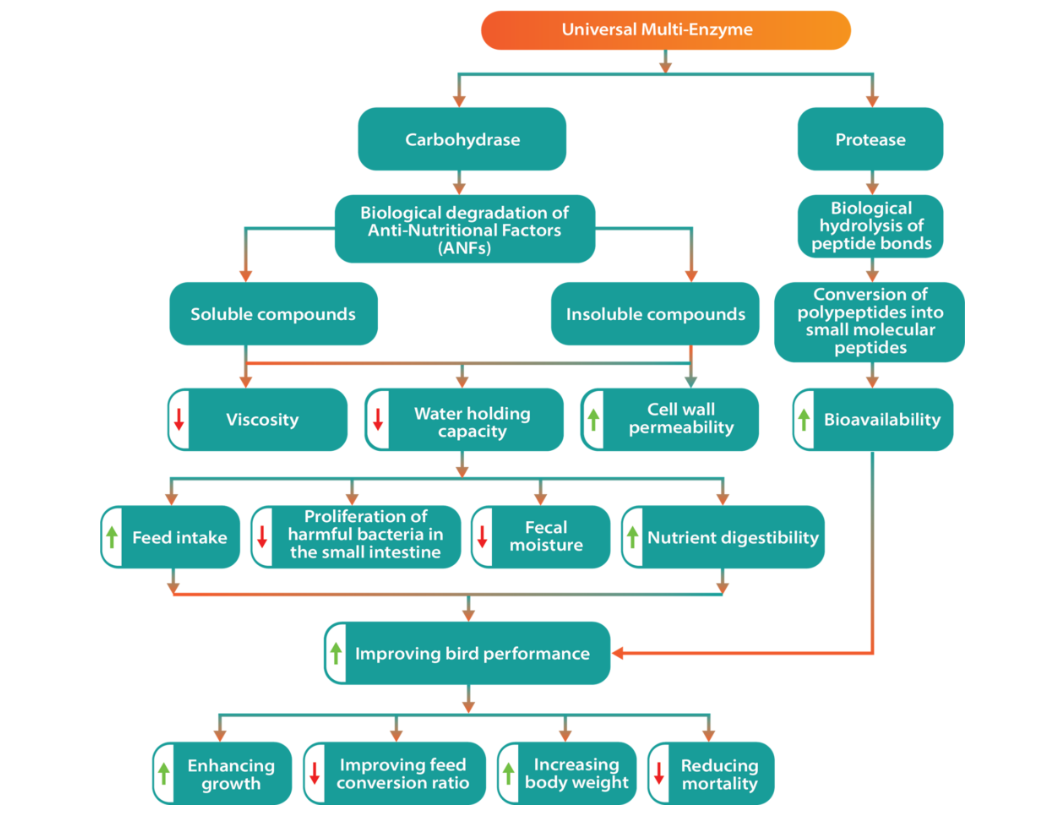
In cereals such as wheat, corn, and barley, a significant amount of anti-nutritional factors (ANFs) are found in the cell walls. The most important of these are non-starch polysaccharides and certain protein inhibitors such as trypsin inhibitors and glycinin. An increase in the levels of these compounds in feed negatively affects the digestibility and utilization of nutrients in the diet, to the extent that about 15 to 25 percent of feed consumed by monogastric animals is excreted undigested.
Moreover, the presence of indigestible ANF compounds in the diet of monogastric animals can increase gut viscosity and reduce the absorption of nutrients, particularly fats and proteins. This may also be associated with the occurrence of pathogenic infections such as necrotic enteritis, which negatively impacts poultry health and increases production costs.
The use of enzymes, in addition to reducing the effects of ANF compounds, is a beneficial option for improving both the nutritional and economic aspects of poultry production.