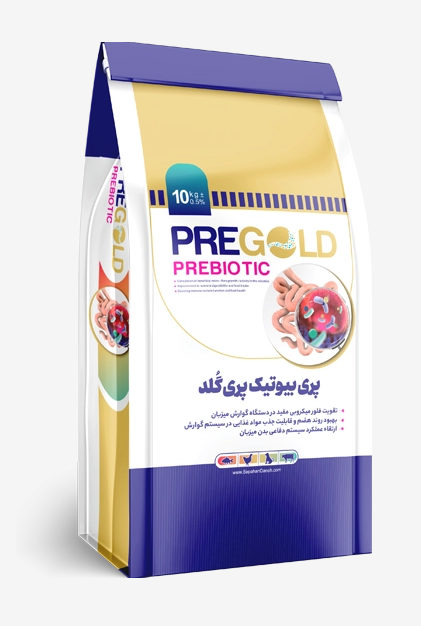
key specifications
Strengthening the intestinal microflora in the gastrointestinal tract
Improving feed conversion ratio
Increasing the efficiency of the gastrointestinal tract
Improving shell quality in laying hens
Improving the function of the gastrointestinal tract, body metabolism, better digestion and absorption of feed
Stimulating the growth of beneficial bacteria and reducing the speed of their passage through the gastrointestinal tract
Reducing the level of nitrogenous metabolites
Increasing the products of short-chain fatty acids
Increasing the absorption of minerals such as calcium
In recent years, the use of prebiotics as super-beneficial food combinations with the aim of helping to change the intestinal bacterial balance towards potentially beneficial bacteria and improving animal health has been considered. Prebiotics are indigestible carbohydrate fibers that are a suitable carbon source for the growth of beneficial microorganisms in the gastrointestinal tract. Among the most important substances that have prebiotic potential, we can mention to oligosaccharides, resistant starches to digestion, and inulin.
PREGOLD prebiotic contains effective compounds of inulin, fructooligosaccharide (FOS), beta-glucan, mannan oligosaccharide (MOS). Inulin is fermented by beneficial bacteria and produces short-chain fatty acids and is effective in strengthening the immune system. FOS has effects such as reducing constipation and reducing the level of triglycerides, phospholipids and serum cholesterol, as well as better absorption of calcium and magnesium and inhibiting the production of reductase enzymes. Beta-glucan as a prebiotic is effective in the production of short-chain fatty acids, especially acetic acid, butyric acid and propionic acid by beneficial microflora. MOS is one of the most important prebiotic compounds that beneficial digestive flora in the intestine uses it as an energy source for growth and reproduction.