مشخصات کلیدی
وجود مواد آلی در آب که همگی ساختاری کربنی دارند، تأثیر منفی بر کیفیت آن داشته و تأثیر زیادی بر کدورت، بو و طعم آب دارد. فیلتر کربن یا فیلتر کربن فعال به دلیل وجود کربن فعال در واکنش با مواد آلی فعال است و به سرعت مواد آلی را جذب کرده و باعث حذف مقدار زیادی از آلایندهها در آب میشود. اتصال آنی مواد آلی موجود در آب با سطوح خارجی فیلتر کربن فعال، دلیل اصلی جذب مواد آلی توسط این فیلترها است.
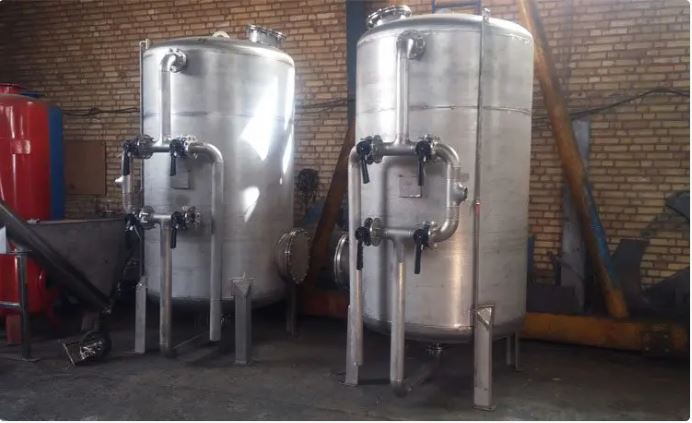
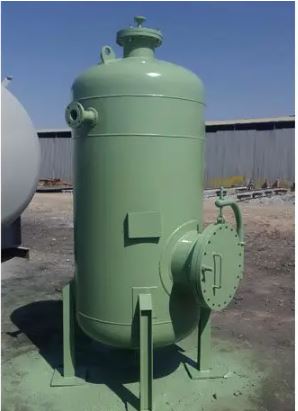
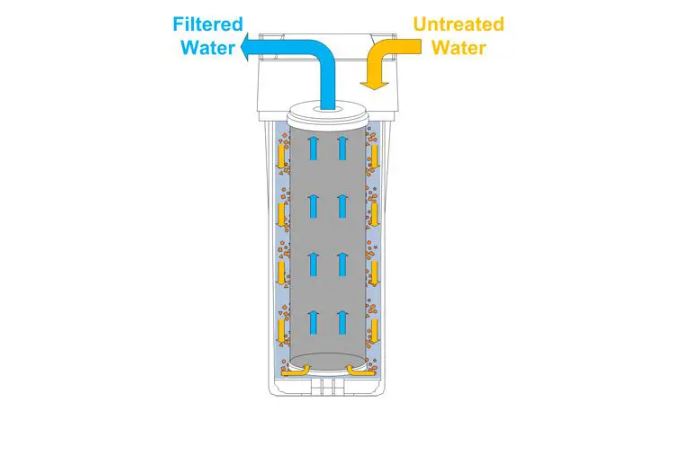
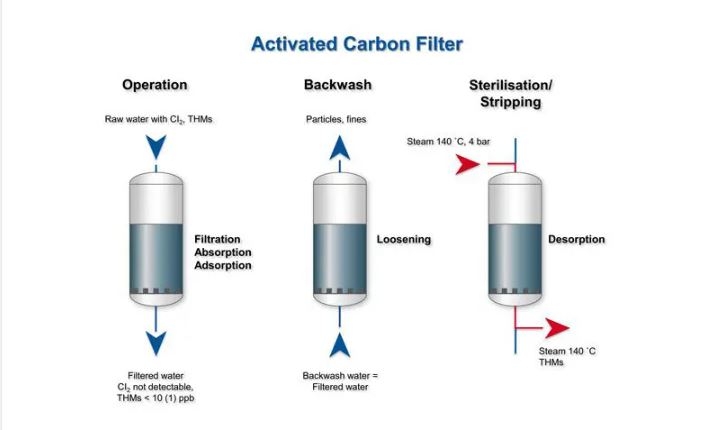
ساختار کلی دستگاههای تصفیه آب که با فیلترهای کربن فعال کار میکنند شامل مخزن، شیر ورودی، سیلیکا، کربن فعال و شیر خروجی است. بدنه فیلتر کربن فعال معمولاً از فولاد، فولاد کربنی با رنگ اپوکسی یا FRP ساخته میشود. آب با pH در سطح خنثی از طریق شیر ورودی وارد مخزن شده و با عبور از لایههای کربن، مواد آلی را از دست میدهد و در نهایت با عبور از سیلیکای معلق، ذرات معلق حذف شده و آب شفاف، بدون بو، طعم و رنگ از طریق شیر خروجی به خارج از مخزن منتقل میشود.
نکته مهم در ساخت فیلترهای کربن این است که علاوه بر کربن فعال، این فیلترها از سیلیکا نیز استفاده میکنند که در جذب ذرات معلق در آب نقش بسیار مهمی دارد. ابتدا لایهای از سیلیکا قرار داده شده و سپس با کربن پوشانده میشود. عبور ذرات معلق و جذب مواد آلی توسط فیلترهای کربن در گذر زمان باعث تشکیل لایه ژلهای روی آن شده که عملکرد فیلتر را به شدت کاهش میدهد. بنابراین لازم است فیلتر توسط روشهای مختلف مانند شستشوی معکوس تمیز و احیا شود.
انواع فیلترهای کربن
فیلترهای کربن یا کربن فعال بر اساس نوع کربن و اندازه ذرات آن به گروههای مختلف تقسیم میشوند که عبارتند از:
· فیلتر کربن فعال دانهای
· فیلتر کربن فعال پودری
· بلوک فیلتر کربن فعال
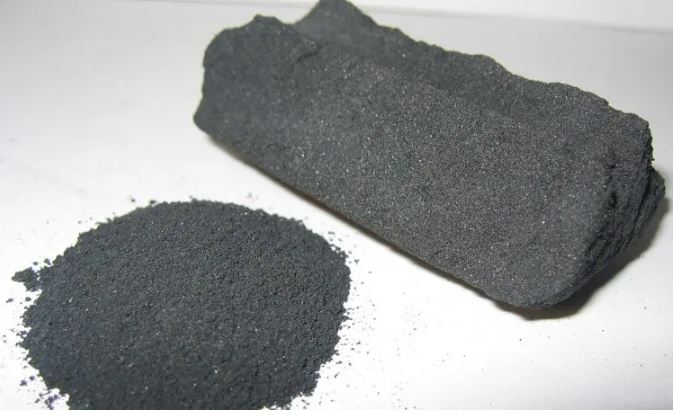
فیلتر کربن دانهای (GAC) که به نام فیلتر کربن شنی نیز شناخته میشود، همانطور که از نامش پیداست، آب را با دانههای کوچک به اندازه شن کربن تصفیه میکند. سطح تماس آب با دانههای شن کربن کمتر از نوع پودری آن است و بنابراین کارایی کمتری دارد. فیلتر کربن فعال پودری یا PAC بیشترین سطح تماس با قطرات آب را دارد و توانایی جذب مواد آلی و حذف رنگ، بو و طعم آب را بیش از سایر انواع دارد. فیلترهای بلوک کربن به دلیل اندازه و ابعاد بزرگ کربن قدرت جذب کمتری دارند ولی در حذف مواد معلق در آب بهتر از دو نوع قبلی عمل میکنند. به طور کلی، GAC و PAC معمولاً در تصفیه آب استفاده میشوند.
کربن فعال از چوب، زغال سنگ و پوست نارگیل ساخته میشود که به روشهای مختلفی مانند فعالسازی حرارتی و فعالسازی شیمیایی تولید میشود. به دلیل جذب عالی کربن تولید شده از پوست نارگیل، این نوع کربن معمولاً در سیستمهای تصفیه آب با فیلترهای کربن استفاده میشود. البته باید توجه داشت که کربن فعال تولید شده از پوست نارگیل قیمت بالاتری نسبت به سایر فیلترها دارد.