مشخصات کلیدی
افزایش حجم آب و فشار آن به دلیل حرارت در سیستمهای گرمایشی یکی از بزرگترین مشکلاتی است که باعث آسیبهای زیادی میشود. برای کنترل این فشار و جلوگیری از انفجار لولههای آب، تانکهایی به نام «تانک انبساط» استفاده میشود. علاوه بر این، در برخی مواقع و به دلایل مختلف، فشار آب در سیستم گرمایشی ممکن است به شدت کاهش یافته و در نتیجه انتقال آن مختل شود. وظیفه دیگر این تانکها کنترل حجم آب در سیستم است که به ویژه در سیستمهای آب گرم خانگی برای انتقال آب به طبقات بالاتر ساختمان استفاده میشود.
تانک انبساط چیست؟
افزایش حجم آب و فشار آن به دلیل حرارت در سیستمهای گرمایشی یکی از بزرگترین مشکلاتی است که باعث آسیبهای زیادی میشود. برای کنترل این فشار و جلوگیری از انفجار لولههای آب، تانکهایی به نام «تانک انبساط» استفاده میشود. علاوه بر این، در برخی مواقع و به دلایل مختلف، فشار آب در سیستم گرمایشی ممکن است به شدت کاهش یافته و در نتیجه انتقال آن مختل شود. وظیفه دیگر این تانکها کنترل حجم آب در سیستم است که به ویژه در سیستمهای آب گرم خانگی برای انتقال آب به طبقات بالاتر ساختمان استفاده میشود.
تانک انبساط
انواع تانک انبساط
تانکهای انبساط بر اساس عملکرد و ساختار کلی به دو دسته تانکهای انبساط باز و بسته تقسیم میشوند. این دو نوع تانک از نظر ساختار و شکل، محل نصب و عملکرد کاملاً متفاوت هستند که عبارتند از:
تانک انبساط باز
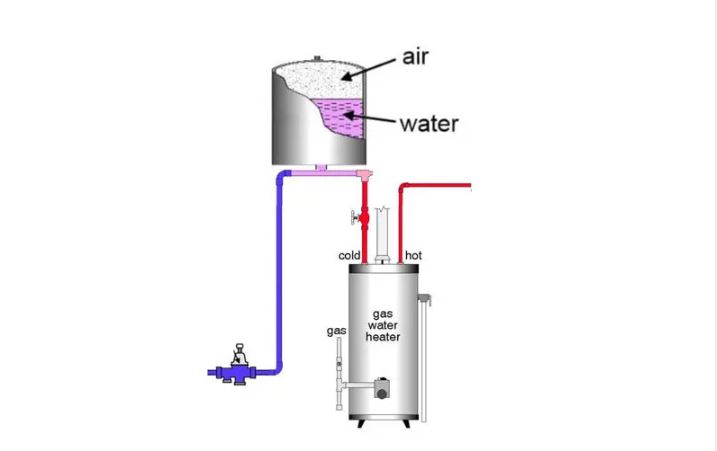
کنترل فشار در تانکهای انبساط به روشهای مختلف انجام میشود. در نوع تانک باز، فشار هوای موجود برای توازن فشار آب و مقدار بخار در دیگ بخار و همچنین جبران کاهش آب در سیستم استفاده میشود. برای دستیابی به این هدف، لازم است تانک حداقل دو متر بالاتر از مبدل حرارتی قرار گیرد تا فشار به بهترین شکل و با بالاترین کارایی کنترل شود. لازم به ذکر است که فشار هوای طبیعی که وارد آب در تانک میشود، زیاد نیست و نمیتواند نتایج مطلوبی برای محیطهای فشار قوی فراهم کند. برای این منظور، تانک انبساط باز در محیطهایی با فشار کم استفاده میشود.
ساختار تانک انبساط باز
اجزای تانک انبساط باز شامل یک تانک استوانهای باز با بدنهای از جنس استیل و ضد خوردگی و پنج لوله ورودی و خروجی است که روی سقف و در ارتفاعی بالاتر از مبدل حرارتی نصب میشوند.
نحوه عملکرد تانک انبساط باز شامل مراحل زیر است:
· به دلیل گرم شدن آب، حجم و فشار آن با افزایش دما افزایش یافته و حجم آن در تانک بیشتر میشود.
· برای تعادل فشار و جلوگیری از سرریز شدن آب، تانک تلاش میکند با فشار هوای وارد شده، آب را به سایر قسمتهای سیستم گرمایشی منتقل کند.
· به دلیل فشار وارد شده به آب در تانک، سطح آن کاهش یافته و آب با فشار مناسب در لولهها جریان مییابد.
· با افزایش فشار بیش از حد و خارج از کنترل تانک، مقداری آب و بخار از طریق شیرهای تخلیه اضطراری خارج میشود.
تولید منبع باز
مزایای تانک انبساط باز
تانک انبساط باز به علت تأمین نیروی فشاری از طریق هوای آزاد دارای مزایای فراوانی است که مهمترین آنها عبارتند از:
· نصب، راهاندازی و تعمیر آسان
· قیمت پایین نسبت به سایر انواع تانک انبساط
· اطمینان بالا به دلیل تخلیه آب اضافی از طریق شیرهای اضطراری
· به عبارت دیگر، برای خرید تانک انبساط با هزینه کم در محیطهای کم فشار، تانکهای باز میتوانند گزینه مناسبی باشند.