مشخصات کلیدی
افزایش یا کاهش فشار در خطوط لولهای که آب، نفت و غیره را منتقل میکنند و در آنها سیال تحت فشار جریان دارد، باعث ایجاد امواج ناگهانی میشود که به آنها شوک رم میگویند. وقوع پدیده شوک رم به عوامل مختلفی بستگی دارد، مانند تغییرات در نرخ جریان، فشار و نرخ انتقال سیال. به دلیل خطرات و خسارات جدی که پدیده شوک رم به بدنه لولهها و تأسیسات انتقال سیال وارد میکند، با نصب مخزن ضربه یا مخزن جذبکننده شوک، تلاش میشود این پدیده را حذف کنند.
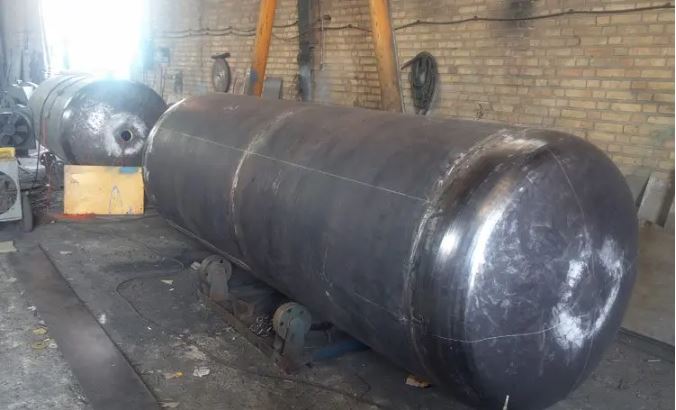
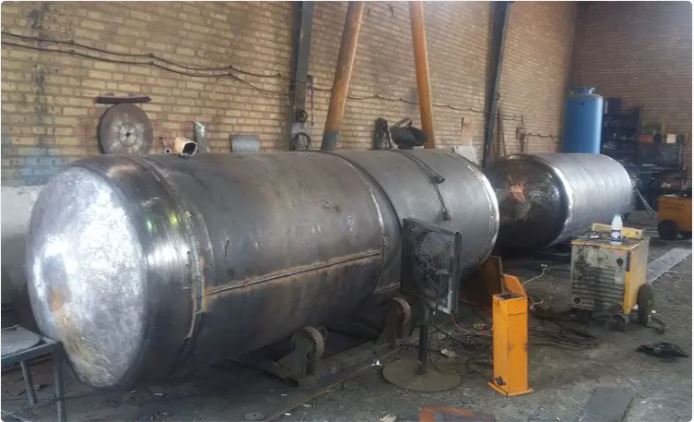
مخزن ضربه یک مخزن فلزی با بدنهای بسیار مقاوم است که در مسیر خطوط لوله تحت فشار نصب میشود و بخشی از سیال را با افزایش فشار در لوله جذب میکند. به عبارت دیگر، با افزایش فشار لوله نقش مخزن ذخیرهسازی را ایفا میکند. در مقابل، با کاهش بیش از حد فشار در لولهها و جلوگیری از پدیده جدا شدن آب از ستون، بخشی از سیال موجود در مخزن ضربه به داخل خطوط لوله منتقل میشود و در واقع نقش منبع تامین نیرو را دارد. در ساختار کلی این مخازن، هوا در بالای مخزن و آب در پایین آن قرار دارد.
انواع مخزن ضربه
با توجه به فشار در خطوط لوله و سایر عوامل، به طور کلی یکی از دو نوع مخزن ضربه میتواند برای کنترل و تنظیم فشار داخل خطوط انتقال انتخاب شود که عبارتاند از:
مخزن ضربه یکطرفه
مخزن ضربه یکطرفه بهعنوان منبع تامین نیرو در مسیر خطوط لوله عمل میکند. این نوع مخزن ضربه در واقع با کاهش فشار در خطوط لوله، بخشی از سیالی که قبلاً در مخزن ذخیره شده است را به مسیر انتقال سیال تزریق میکند. این امر از پدیده جدا شدن سیال از ستون و ضربه رم جلوگیری میکند که در نهایت به ترک خوردن لولهها و تأسیسات منجر میشود. این مخزن بالاتر از سطح خطوط انتقال نصب میشود و هزینه نگهداری آن نسبتاً بالا است به دلیل فاصله زیاد با ایستگاه پمپاژ.
مخزن ضربه دوطرفه
همانطور که از نامش پیداست، این نوع مخزن ضربه به دلیل شرایط داخل خطوط انتقال میتواند نقش منبع نیرو و ذخیرهسازی را بازی کند. به عبارت دیگر، با افزایش فشار در خطوط انتقال و به منظور جلوگیری از وقوع ضربه رم، بخشی از سیال به داخل مخزن منتقل میشود. با کاهش فشار خط، این مخزن رفتار مشابه نوع یکطرفه دارد و بخشی از سیال موجود در مخزن به داخل خط لوله تزریق میشود. با ورود یا خروج سیال به مخزن یا خط لوله، هوای داخلی مخزن منقبض و منبسط میشود و اثر افزایش یا کاهش فشار به طور معقولی کاهش مییابد.
در دستهبندی دیگری و با توجه به روش نصب این مخازن، میتوان آنها را به گروههای مخزن ضربه آزاد ایستاده، مخزن ضربه افقی و مخزن ضربه مایل تقسیم کرد. همانطور که از نام هر گروه مشخص است، در نوع ایستاده، مخزن به صورت عمودی در مسیر انتقال آب یا نفت نصب میشود و به دلیل مزایای آن، بیشتر از دو نوع دیگر استفاده میشود. نوع مایل این مخازن محدودیتهایی در نحوه تثبیت و جلوگیری از حرکت و لرزش دارد و در نهایت در مخازن ضربه افقی با مشکل و محدودیت افزایش حجم فضای بدون استفاده از آب مواجه هستیم. البته شایان ذکر است که با توجه به شرایط محیطی که مخزن در آن نصب میشود و ویژگیهای مثبت و منفی هر نوع مخزن، گزینه مناسب انتخاب میگردد.