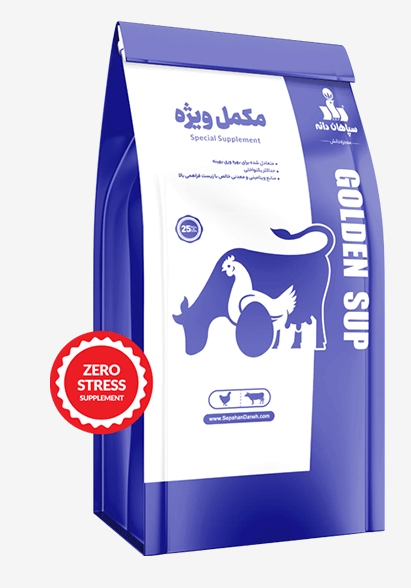
مشخصات کلیدی
Reducing inflammation and regulating metabolic processes
Resistance to pathogenic agents
Regulating intestinal hormone levels such as adrenaline and corticosteroids
Improving cellular health
Preventing cell death
Enhancing poultry health and performance
Environmental stressors can make animals more vulnerable to infections, physiological changes, behavioral alterations, reduced egg and meat quality, tissue damage, and mortality. Key environmental stressors include heat and cold stress, feed restriction, stocking density, and pollutants.
Stress reduces feed intake and growth, and disrupts immune system responses and functions, thereby increasing the animal’s susceptibility to disease outbreaks.
One of the strategies to cope with environmental stress challenges is to modify housing conditions, such as reducing environmental contamination and managing lighting as a low-cost and safe approach.
Nutritional strategies also enhance bird immunity by improving the development of lymphoid tissues and stimulating beneficial modulators and immune responses.
Heat Stress
Heat stress (HS) occurs when the heat produced within the body exceeds its ability to dissipate it, and the body can no longer control the excess heat.
An increase in corticosterone in response to heat stress leads to the breakdown of muscle protein, and the resulting amino acids are used in the liver’s gluconeogenesis process to provide energy.